Vacation Recap: Kailua-Kona, Hawaii
Pu’uhonua o Hōnaunau National Historical Park
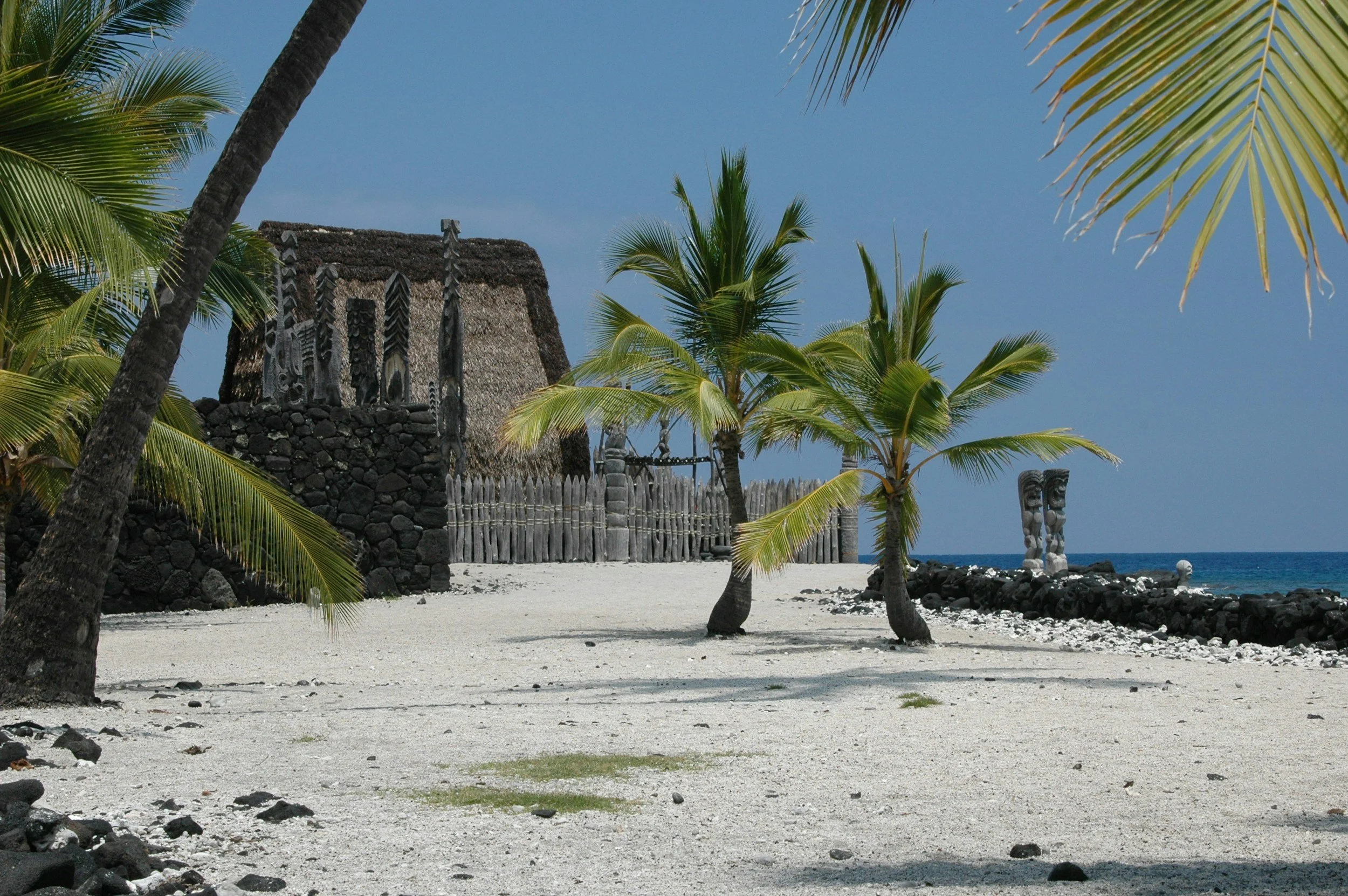
Imagine you had just broken the sacred laws, the kapu, and the only punishment was death. Your only chance of survival is to elude your pursuers and reach the Puʻuhonua, a place of refuge. The Puʻuhonua protected the kapu breaker, defeated warriors, as well as civilians during the time of battle. No physical harm could come to those who reached the boundaries of the Puʻuhonua.
Although many pu'uhonua existed in ancient Hawaiʻi, Pu'uhonua o Hōnaunau is the best preserved and most dramatic given the extent of its monumental architecture. Located about 30 minutes south of the Kailua-Kona area, this spiritual sanctuary, commemorated today as Puʻuhonua o Hōnaunau National Historical Park, was protected by Lono, the God of life. Today, the puʻuhonua continues to serve as a refuge for all peoples in our modern world.
Sloan’s recommendation: Stop by the auditorium to watch the full-length park film “Those Are My Ancestors,” before entering the park.
Manini’ōwali Beach (Kua Bay)
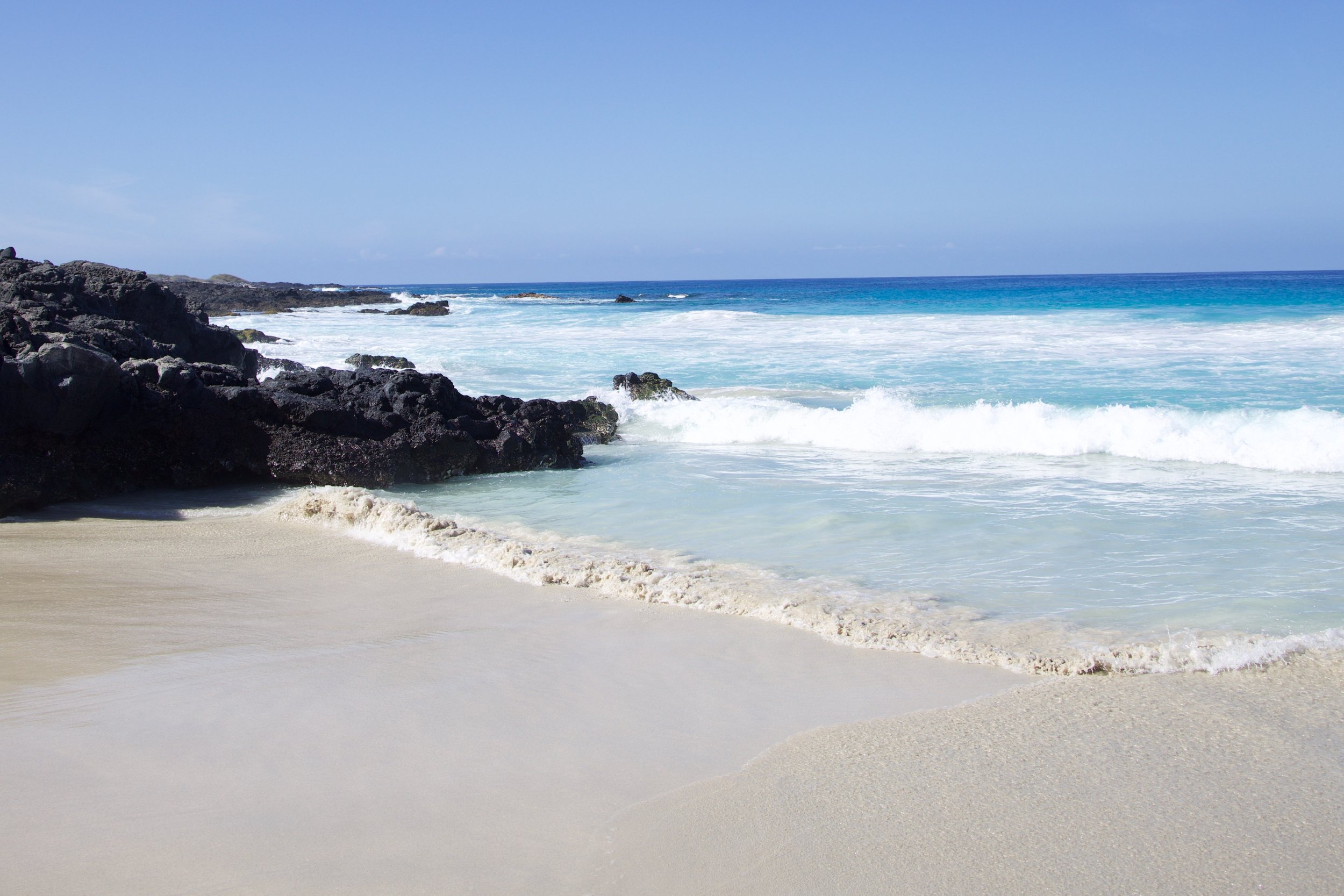
Kua Bay is part of Kekaha Kai State Park, with three different beach areas across a 4.5-mile long trail. Manini’owali Beach is one of the nicer beaches located about 30 minutes north of the Kailua-Kona area. If you arrive later in the day, parking can be congested, especially on weekends. As you approach the beach you may see cars parked on both sides. If you have to park and walk down the road a bit, I promise, it’s worth it!
Manini’owali is a renowned beach for boogie boarding and body surfing. Be aware that the shore break and currents can be strong and some ocean knowledge is advised to play in the surf. Even if you see many people swimming during big swells, keep in mind that most of them are locals who know the water and conditions very well. If you’re not an expert swimmer, don’t go out in high surf. Hawaii County got the funding to install a lifeguard tower in July of 2019, so there are now lifeguards on duty during the day.
Sloan’s Recommendation: Pack heavy! Bring food, water, reef-safe sunscreen, snorkel gear, boogey boards, water shoes, towels, and an umbrella.
Paradise Sailing Private Snorkel Cruise
Paradise Sailing is a local small business, family owned and operated by captains Eric and Yumi Wakely. Their 36′ Kurt Hughes designed sailing catamaran, Kōlea, is named after the Hawaiian word for the Pacific Golden Plover, a migratory bird that travels between Hawaii and Alaska every year. It’s said that the Kōlea helped guide the first Polynesians to discover the Hawaiian Islands in ancient times. Paradise Sailing charters depart from Honokōhau Harbor, located about ten minutes north of the Kailua-Kona area. Our family of seven sailed with the wonderful Captain (Mike) Morgan and his first mate Shay on a three-hour sunset snorkel cruise!
Right after leaving the harbor, a pod of playful spinner dolphins appeared and swam right up to the boat! We continued on to our snorkel spot, but this was my first time snorkeling, so it took some time to get used to the equipment. Almost as soon as I settled in, I spotted an eagle ray beneath us! Shay dove down with her DJI camera to capture it up close and so kindly shared the video with me. We got back on the boat, had some complimentary snacks and drinks, listened to local music, took some family photos, and sailed into a gorgeous Hawaiian sunset.
Sloan’s Recommendation: If it’s your first time snorkeling, ask the crew for tips right away. They’re incredibly patient and helpful!
Makani Golf Club
Situated on the lower slopes of Hualalai, about thirty minutes northeast of the Kailua-Kona area, Makani Golf Club offers golfers a cooler climate with refreshing air, as well as mountain and ocean views. With five sets of tee boxes, the par 72 course is challenging but enjoyable for novice and expert players. Designed by golf architect Perry Dye, the course features wide fairways and water in play on nine of the 18 holes, headlined by his island green on #17.
Makani Golf Club is peaceful, beautifully maintained, reasonably priced, and far less crowded than the resort courses down near the shoreline. The course was stunning — wide fairways, vibrant greenery, and wildlife everywhere. We heard goats screaming and saw and nēnē birds wandering. The starter, Jim, was a flirt and left a beautiful hibiscus flower in my cupholder. And I was very proud that I didn’t lose a single golf ball!
Sloan’s Recommendation: Keep your eyes peeled for the state bird of Hawaii, the Nēnē, a species of bird endemic to the Hawaiian Islands.
Kona Brewing Company
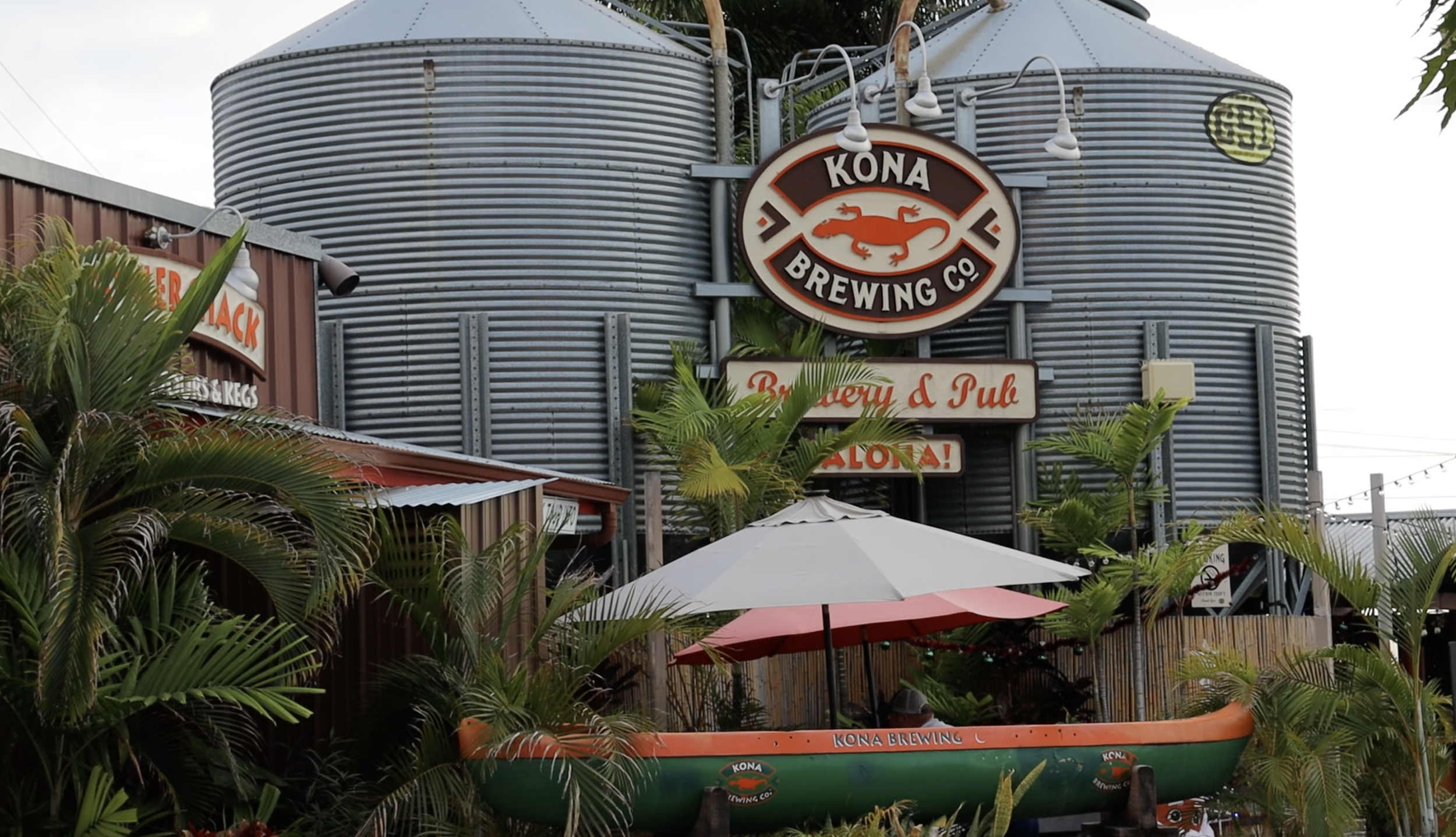
Founded in 1994, Kona Brewing Company has become one of Hawai‘i’s most recognized craft breweries, known for beers inspired by the islands. While it’s not a historical site in the traditional sense, it represents Hawai‘i’s modern food-and-beverage culture and helped spark the state’s craft beer movement. In 1998, they built the pub alongside the brewery and opted to use locally sourced and reclaimed materials, including a solid mahogany beam that washed ashore and metal from an old coffee roasting building.
The Kona Pub features a community-style bar, a full kitchen, indoor dining, and our popular outdoor dining lānai. We ordered pupus (appetizers) that highlight local ingredients with freshly brewed flights. I’m not a beer-drinker, but I did try the Pipeline Porter, made with 100% Kona Coffee (and a frozen Mai Tai!). The designs of the cans and names of the beers are amazing - from the iconic Big Wave Golden Ale and Longboard Island Lager, to limited releases like Liliko’i Kea Witbier and Castaway OPA, to draft-only options like Hula Hefeweizen and Black Sand Island Porter.
Sloan’s Recommendation: Brewery tours are available to book every day from 12pm–5pm online. Golf went long, so we missed out, but if the brewery is anything like the pub, I’m sure it’s amazing!
Volcanoes National Park
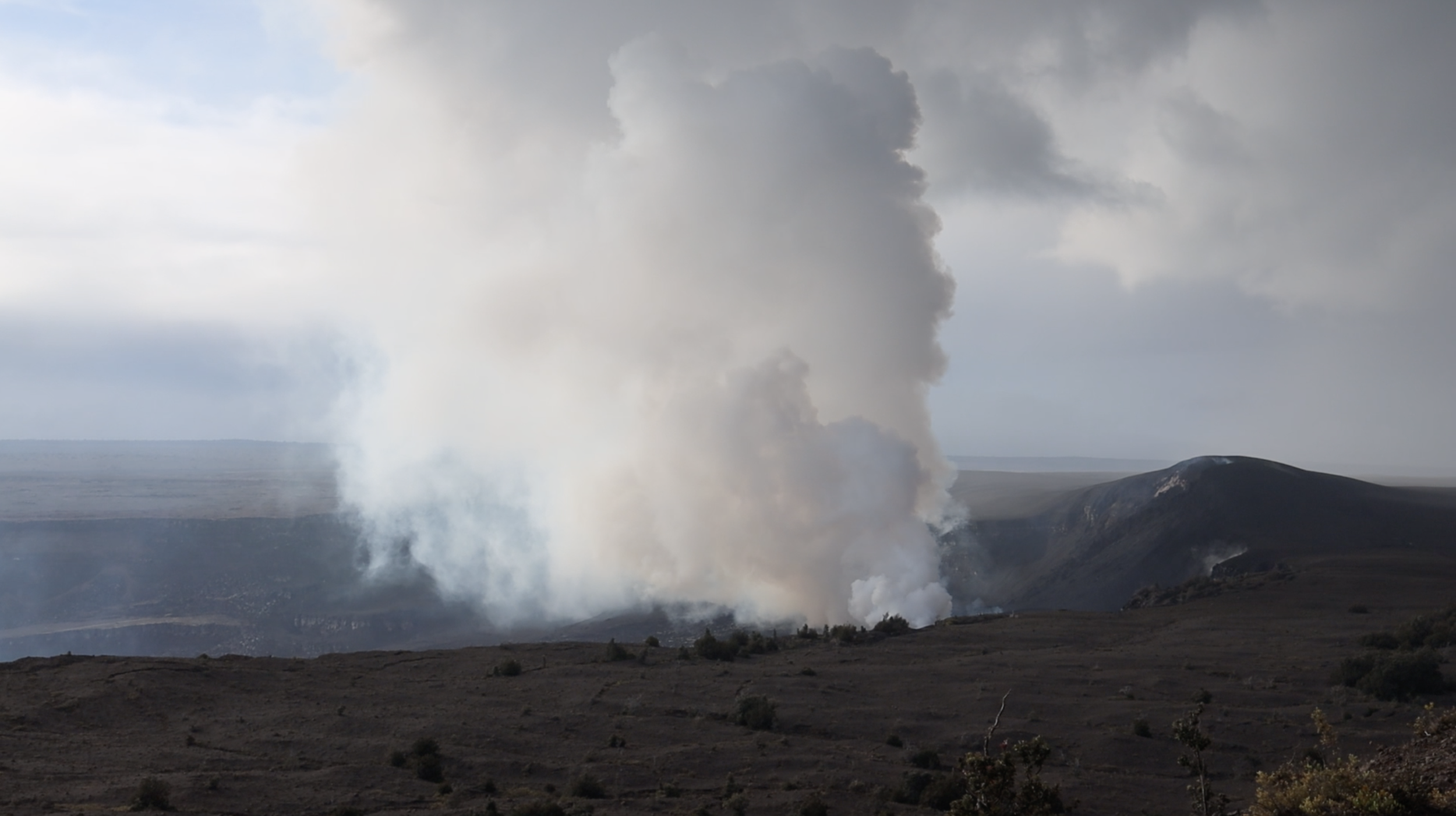
Established in 1916, Hawaiʻi Volcanoes National Park protects two of the world’s most active volcanoes, Kīlauea and Mauna Loa, as well as sacred Hawaiian cultural sites, ancient trails, lava tubes, and unique ecosystems shaped by ongoing volcanic activity. In Hawaiian culture, Kīlauea is the home of Pele, the goddess of fire, lightning, and volcanoes. The landscape itself is considered living, breathing, and spiritually significant. Many of the features visitors see (i.e. craters, steam vents, and fresh lava flows) are part of Pele’s continual reshaping of the island.
We woke up at five in the morning to drive the two hours from Kailua-Kona, stopping for breakfast at the Crater Rim Café of the Kilauea Military Reserve just inside the entrance of the park. We started with Crater Rim Drive lookout points, where we saw Kīlauea smoking after she erupted 24 hours prior (sad we missed out on that!). We continued on to the Steam Vents, which felt very good on a cool and rainy morning. Then the Thurston Lava Tube, which wasn’t nearly as scary as I thought it would be (I don’t typically love being in caves..)!
Sloan’s Recommendation: Go early to beat the crowds! And pack a few extra layers!
Punalu’u Beach (Black Sand)
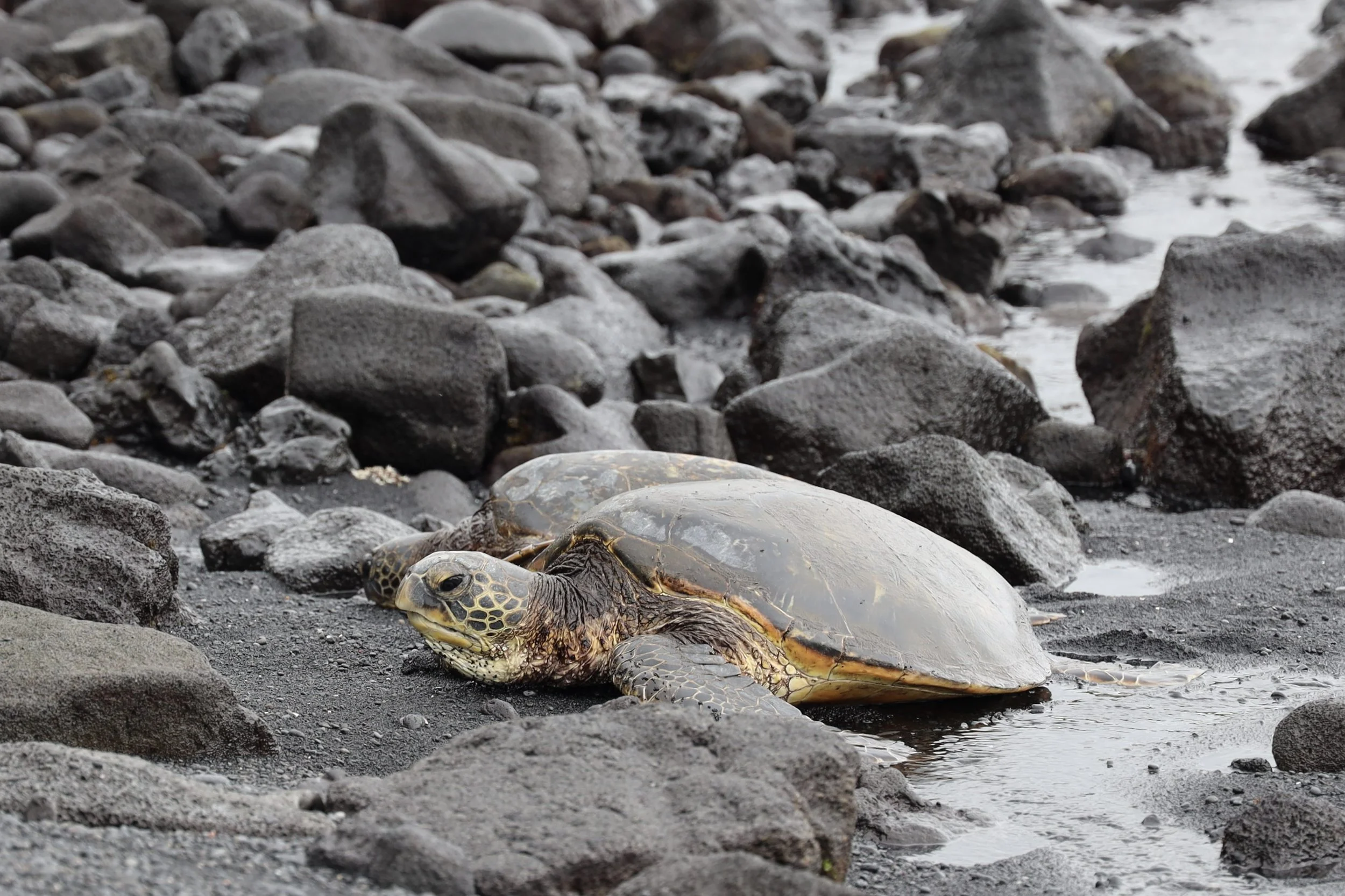
Because of constant volcanic activity, there are white sands and black sands on the island of Hawaiʻi. Located on the southeastern Kaʻū coast, about an hour and a half south of the Kailua-Kona Area, Punaluʻu Black Sand Beach is one of the most famous black sand beaches in Hawaiʻi. It’s also a protected habitat for the honu (aka Hawaiian Green Sea Turtles) and honuʻea (aka Hawksbill turtles), who swim in the water and bask on the beach. Visitors are not allowed to touch these protected turtles or to remove any black sand from the beach.
Although swimming isn't ideal, there is a picnic area and restroom facilities. We took our shoes off and felt the black sand between our toes. It looked and felt amazing. If they let people take sand from this beach, there would be no beach left! There were also plenty of rocks to climb and sea turtles to spot. Two of them swam up onto the shore and rested right in front of us! A crowd gathered quickly, but I was able to snap some great pictures (from a very safe and respectful distance!).
Sloan’s Recommendation: Walk to the far side of the beach for the best chance to see turtles. And bring sandals because the sand gets HOT!
Papakōlea Beach (Green Sand)
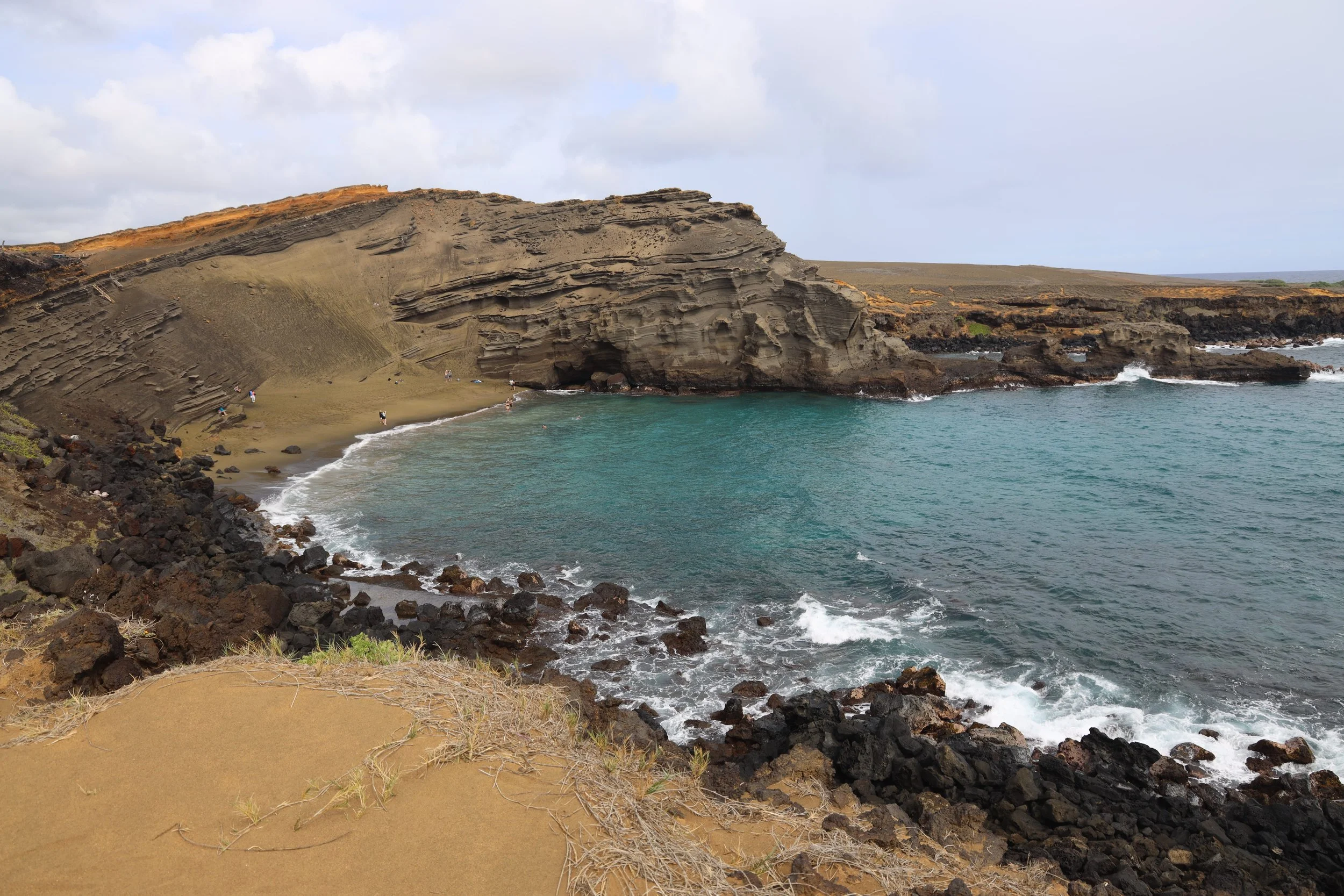
Located near South Point, in the Kaʻū district of the island, about 1 hour 45 minutes from the Kailua-Kona area, Papakōlea Beach is one of only four green sand beaches in the world. It gets its distinctive coloring from olivine, a silicate mineral containing iron and magnesium (aka peridot when it’s in gem form), eroded out of the enclosing volcanic cone that formed almost 50,000 years ago. Olivine is locally known as "Hawaiian Diamond." As with Punalu’u Beach, visitors are not allowed to remove any green sand from the beach.
From the parking area, the beach is accessible only by a 2.5-mile hike each way. You can pay a local truck driver to stand in their trunk for about $25 per person, but what they’re doing is technically illegal (TL;DR: conflict between local drivers and conservationists). We opted to hike it out and I’m so glad we did! The route over contrasting bright orange sand and black lava rocks was unforgettable. The view is so rewarding! We took the rickety ladders down to the beach and enjoyed the soft, almost green sand. The water was swimmable and snorkel-able. My only regret is that we didn’t spend enough time here!
Sloan’s Recommendation: It’s a long walk, so wear your swimsuit under your hiking clothes and good hiking shoes! Pack sandals, food and water, towels, snorkel gear, and reef-safe sunscreen.
King Kamehameha Resort Lū’au
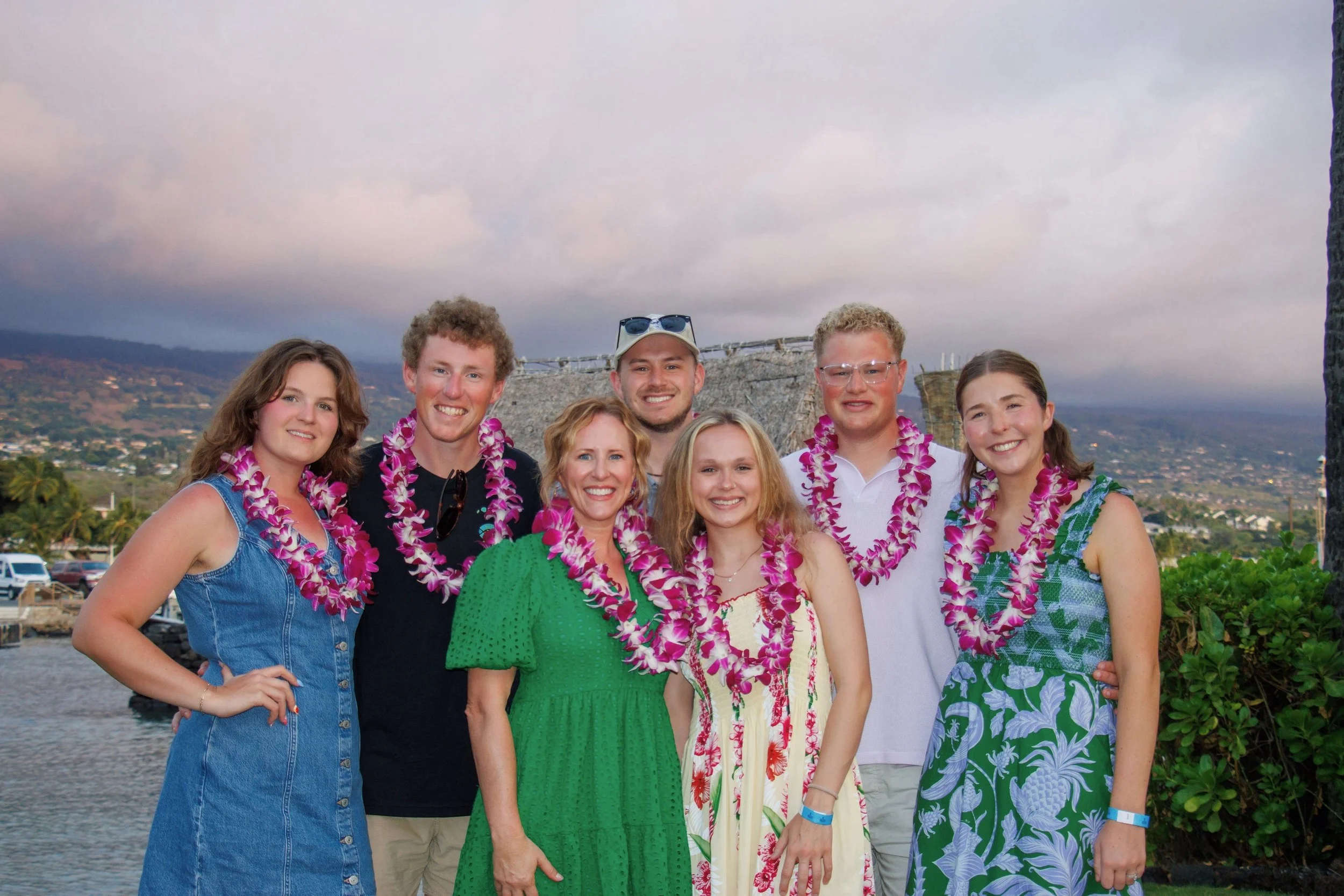
The Island Breeze Lūʻau is set on the grounds of the Courtyard Marriott King Kamehameha’s Kona Beach Hotel. Parking is $7 with validation and vouchers are turned in for wristbands at the lū’au desk. The oceanfront celebration begins with a lei greeting (optional $10 upgrade), a photograph (scan their QR code to pay for a digital file or printed copy) and the ceremonial arrival of the Royal Court - an authentic nod to Hawaiʻi’s aliʻi (royalty) and the rich history of Kamakahonu Bay.
We enjoyed a massive buffet highlighting Hawaiian staples like kalua pork, fresh island fish, poke, lomi salmon, tropical fruits, and island desserts like ube cheesecake and pineapple upside down cake. We drank mai tais and blue Hawaiians as the sun set over the water. The show transported us across Polynesia with traditional music, hula, Māori and Samoan dances, and an exciting fire-knife finale. While it was definitely the most touristy thing we did on vacation, I’d absolutely recommend it to a friend.
Sloan’s Recommendation: Just get the lei! It smells so good! And get up to watch them dig up the pork.