How To: Avoid Roaming Charges with eSIMs
Please note that this article includes affiliate links. If you choose to shop through these links, I may earn a small commission at no additional cost to you. I appreciate your ongoing support.
If you’ve ever landed in a foreign country, turned off airplane mode, and felt a wave of panic about roaming charges, you’re not alone. In 2018, during my first solo trip abroad, a 3-month-long study abroad program in Prague, I racked up extensive roaming charges.
What Are Roaming Charges?
Roaming charges are extra fees applied by your home mobile carrier when you use your phone (i.e. making calls, sending texts, or using mobile data) on another provider's network outside your regular coverage area. While domestic roaming is rare or usually free, international roamingis notoriously expensive because it involves a "piggyback" system where your home carrier pays a foreign carrier for network access, then passes those high costs with a markup (of course!) on to you. It’s convenient, but often painfully unpredictable and expensive.
I didn’t understand the extent of the damage until my mom told me I’d be kicked off of her phone plan if I didn’t get a SIM card (so fair!). Although eSIMS became available in 2016, unfortunately, the phone I had at that time was too old to be compatible.
What’s an eSIM?
An eSIM (embedded SIM) is a digital version of the tiny physical SIM card that connects your phone to a local mobile network. Instead of inserting a plastic card like we used to, you can download a mobile data plan directly to your phone. Within minutes, your phone connects to a local network in whatever country you’re visiting. No store visits. No swapping SIM cards. No losing your U.S. number. No phone bill fights! For travelers, eSIMs are one of the easiest ways to stay connected abroad.
It might feel seamless… because it is! There are dozens of providers now, but three consistently stand out for reliability, coverage, and ease of use:
Airalo
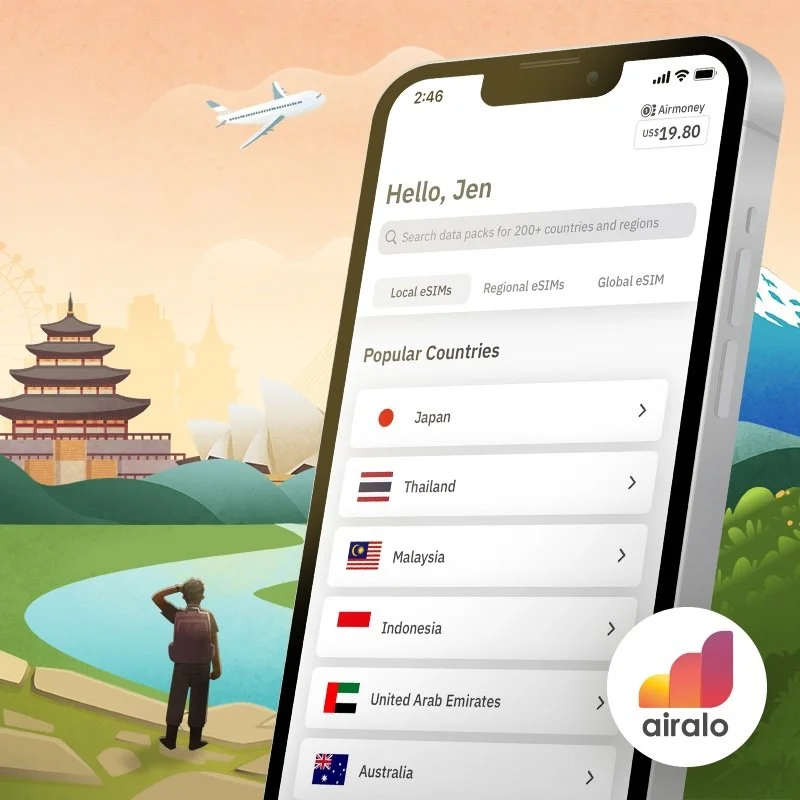
Airalo is often the first stop for travelers exploring eSIMs. They offer country-specific and regional plans in over 200 destinations, which makes them incredibly flexible when you’re hopping between countries. Most Airalo plans are data-only, which isn’t a downside for most travelers if they primarily use messaging apps.
Airalo’s pricing tends to be very competitive, especially for short trips or travelers who don’t need unlimited data. The app is intuitive, activation is simple, and regional plans (i.e. Europe or Africa-wide coverage) make staying connected through multi-country itineraries effortless. If you’re new to eSIMs, Airalo is a very easy place to start.

Saily
Saily is one of the newer names in the eSIM space, launched in 2024 by the team behind NordVPN. They also offer country-specific and regional plans in over 200 destinations. While it doesn’t have quite the longevity of Airalo yet, it’s growing quickly and is a strong option for travelers who prioritize both connection and digital safety.
What sets them apart is their emphasis on privacy and secure connectivity. For digital nomads who frequently work from cafés, airports, and public Wi-Fi environments, that added security layer is appealing. The app is sleek and user-friendly, and pricing remains competitive.

Holafly
Holafly carved out its niche by offering unlimited data plans in many destinations. If you’re uploading content, hopping on Zoom calls, hotspotting your laptop, unlimited plans remove a layer of mental math from your trip. You can forget about monitoring your gigabyte usage!
The trade-off is that pricing can run slightly higher than capped-data providers. But for travelers who need dependable, heavy usage, that simplicity can be worth every penny. Holafly is particularly strong across Europe and the U.S., and it’s a favorite among full-time travelers.
Use code ESTRAVEL for 5% off your next purchase.
What Should I Know Before I Go?
Before purchasing an eSIM, make sure your phone is unlocked (this is important!). Confirm that your device supports eSIM technology (i.e. iPhones from the XS onward, many Samsung Galaxy and Google Pixel models). And pay attention to whether your plan is data-only or includes a local number. If you keep your primary number active while using your eSIM for data, you’ll still receive iMessages, WhatsApp messages, and two-factor authentication texts from your U.S. number while browsing and navigating on local data. If you’re working remotely, also check hotspot allowances — some “unlimited” plans limit tethering.
Before your trip, you purchase a data plan through an app or website. Instead of being billed after the fact, you prepay for exactly what you need - seven days in Italy, thirty days across Europe, or two weeks in Thailand. The provider gives you a QR code or in-app installation. You download the plan, and when you land in your destination, you activate it. Your phone connects automatically to a local carrier. The pricing is transparent, data speeds are local, and you’re the one in control.
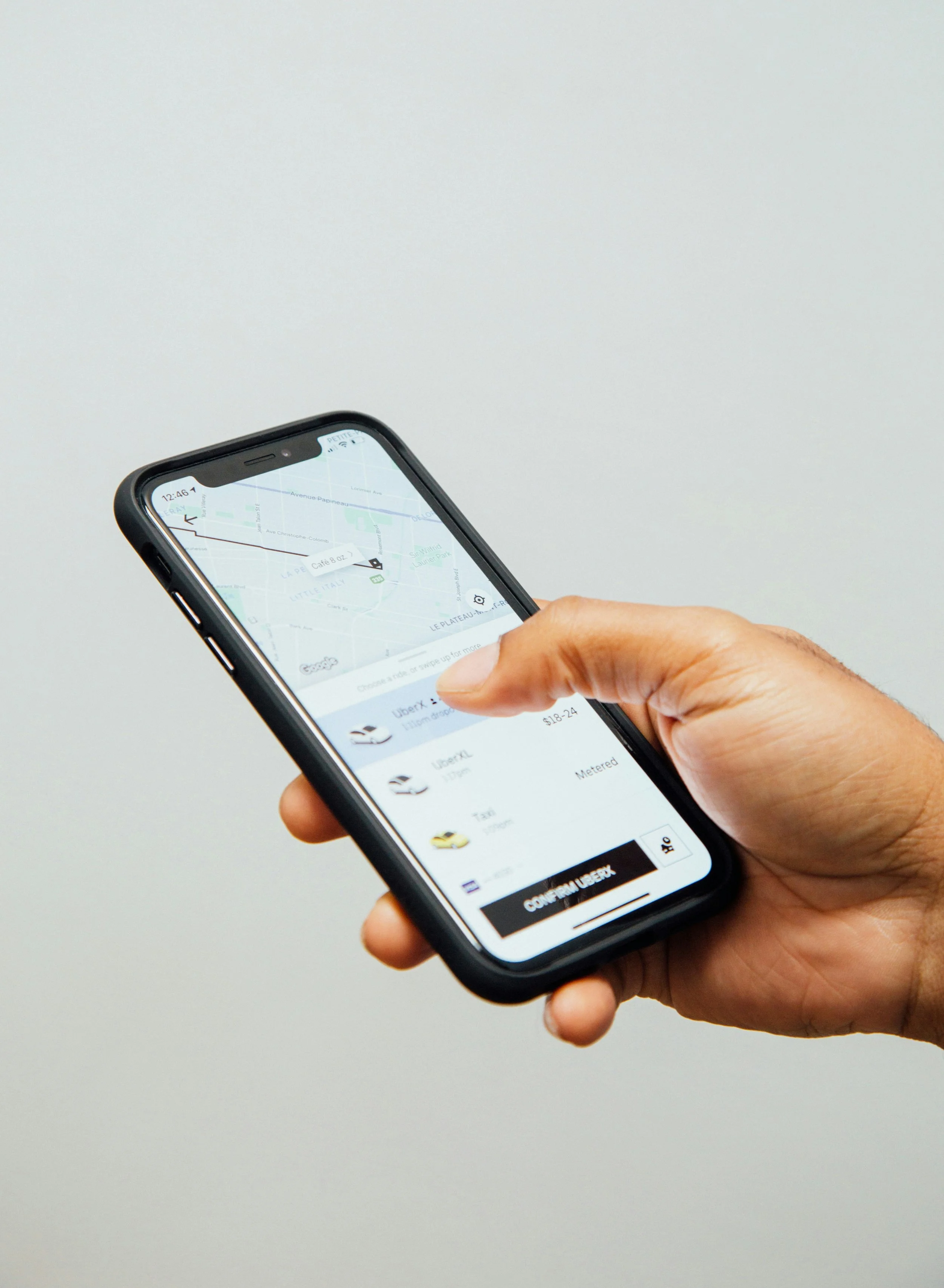
Always download and install your eSIM before you leave Wi-Fi to make arrival that much smoother. For me, an eSIM represents more than just data access. You land already connected, request a ride without stress, navigate to the hotel without hunting for Wi-Fi, and send the “I made it” text instantly. It represents frictionless travel.
In a lifestyle built around movement, whether that’s a two-week vacation or full-time solo travel, small efficiencies feel like freedom. An eSIM won’t change your destination, but it will absolutely change how you experience it. And that matters.